• Business Culture in Italy

    Italy

    - Sample Itinerary -

Thank you so much for all your effort in arranging the logistics for our study abroad trip in Italy. The site visits showing excellence and innovation in the Italian business were as interesting as they were educational.

Tracey Taylor, MBA Student, UAB Collat School of Business
  • Academic Field(s)

    Business and Economics

  • Destinations

    Milan, Florence, and Rome

  • Duration

    11 days

  • Accommodation

    guest house in Milan, hostel in Florence and 3-star hotel in Rome

Step out of your comfort zone and immerse yourself in Italian centers of business, culture, cuisine, and architecture as you enhance your understanding of the business world in Milan, Florence, and Rome. Italy is a modern, industrialized country with a strong regional identity, where business strategy is often focused on luxury and tradition.

  • DAY 1

    • Overnight flight to Milan, Italy (group flight can be booked separately)
  • DAY 2-3: MILAN

    Stay 2 nights at a guest house in Milan

    • Arrival at Milan Malpensa Airport (MXP)
    • Check-in at the guest house and orientation session by your CEPA On-Site Coordinator
    • Guided walking tour of Milan, during which you will see, among others, the mall Galleria Vittorio Emanuele II, the Piazza del Duomo, and the Piazza della Borsa
    • Welcome dinner at an Italian restaurant
    • Visit the Campari Galerie and learn about Campari, an alcoholic liqueur, which is often used in cocktails
    • Visit an Italian bank to learn more about the Italian economy
  • DAY 4-6: FLORENCE

    Stay 3 nights at a hostel in Florence

    • Train tickets from Milan to Florence
    • Check-in at the hostel and orientation session by your CEPA On-Site Coordinator
    • Guided walking tour of Florence, during which you will see, among others, the Duomo, one of Italy’s largest churches, as well as the adjacent baptistery, the Palazzo Vecchio, Ponte Vecchio, and more
    • Group dinner at an Italian restaurant
    • Visit the Mokaflor Espresso Academy coffee school, a family-owned company producing coffee in Florence since the 1950s
    • Admission to the Duomo of Florence, whose three buildings are a UNESCO World Heritage Site
    • Corporate business visit to a niche manufacturer of extraordinary writing and time instruments
    • Corporate business visit to an open source software company, specialized in the development of web-based applications using open source technology
  • DAY 7-11: ROME

    Stay 4 nights at a 3-star hotel in Rome

    • Train tickets from Florence to Rome
    • Check-in at the hotel and orientation session by your CEPA On-Site Coordinator
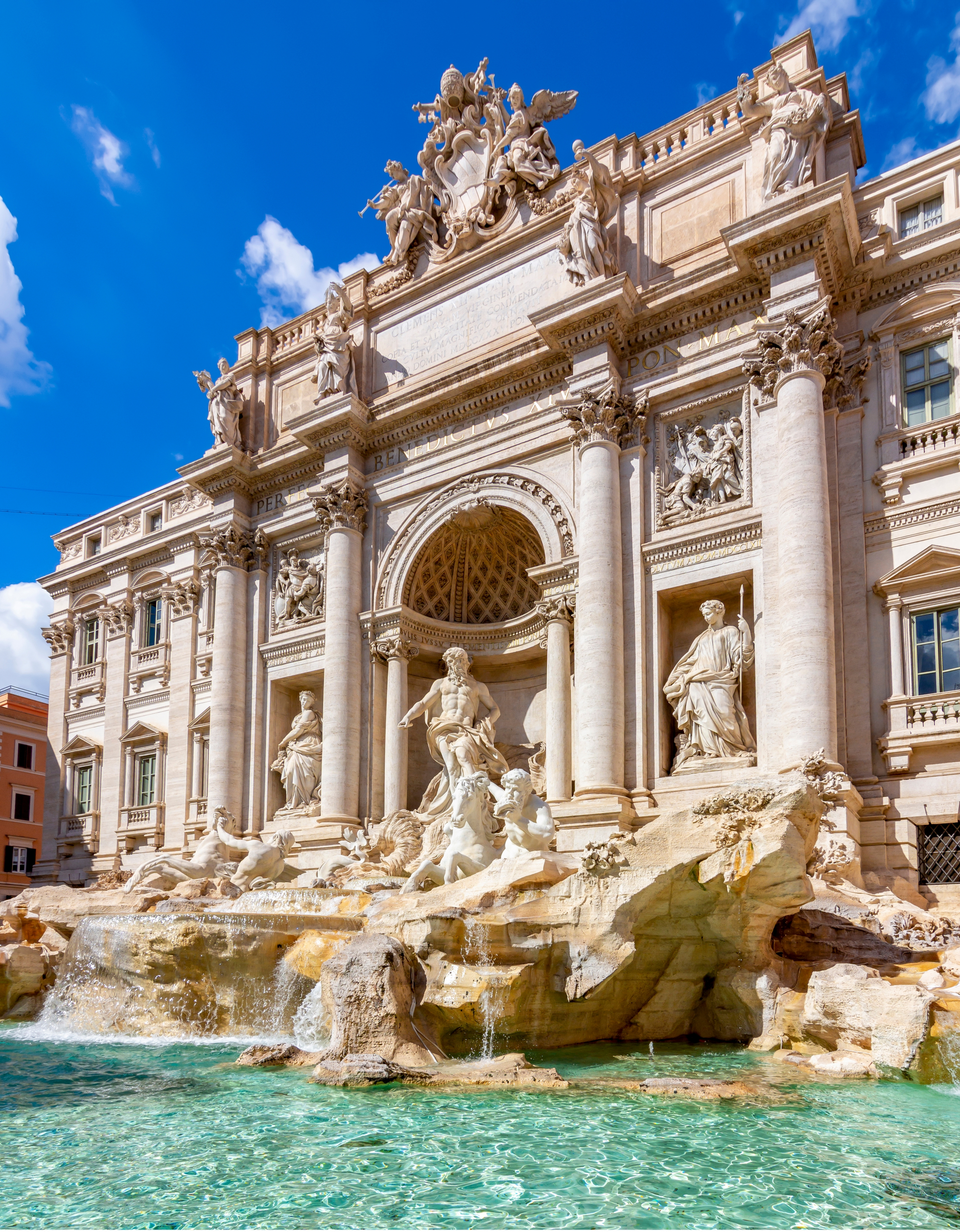
    • Guided walking tour of Rome, during which you can admire the Pantheon, Trevi Fountain, the Spanish steps, and many other highlights of the “Eternal City”
    • Admission to the Coliseum, an elliptical amphitheater, which was the first permanent amphitheater to be built in Rome, as well as the Palatine and Roman Forum
    • Free afternoon in Rome
    • Visit the Banca d’Italia, the central bank of Italy, which is also part of the European System of Central Banks
    • Corporate business visit to a leather manufacturing company
    • Guided tour of the Vatican Museums and Sistine Chapel, which are housed in the richly decorated galleries and apartments of the Vatican Palace
    • Free afternoon in Rome to wrap up the program
    • Farewell dinner at an Italian restaurant
    • Departure from Rome Fiumicino Airport (FCO)
  • What’s included in this sample itinerary:

    Academic and professional excursions with special presentations • cultural excursions and field trips with local, bilingual guides • entrance fees and reservations • accommodation in a guest house (triple rooms for students, single room for the faculty), hostel (multi-bedded rooms for students, single room for the faculty), and 3-star hotel (twin rooms for students; single room for the faculty) • daily breakfast • welcome and farewell dinner • 1 additional group dinner • local transportation by private bus as needed • train tickets • public transportation passes in Milan and Rome • on-site coordinator during excursions • orientation sessions • time to study, instruct, and explore

Programs require a minimum of 12 participants.

Your custom quote will be tailored to several key factors, including:

  • travel dates
  • final group size (including faculty leaders)
  • program duration
  • specific excursions
  • your preferred accommodation and meal plans
  • other specific requirements

How to Plan with Alternatives in Mind:

As part of our commitment to environmental protection and cultural respect, we encourage you to explore sustainable alternatives when planning your study abroad program.

Whether choosing accommodation outside a major city center or opting for eco-conscious lodging, every small step helps preserve Europe’s historic cities and cultures while keeping your program expenses in check

Together, we can develop programs that are both culturally conscious and eco-friendlier. 

Accomodation

By exploring nearby housing options instead of staying in major European cities, we can minimize our impact on overtourism. Ask us about the "second city" strategy.

Pack light

Every extra kilogram on a plane, train, or bus increases energy consumption. A "carry-on only" rule is a win for both the planet and your back.

Cultural Behaviour

Learn the "Golden Three": Learning "Hello," "Please," and "Thank you" in the local language is more than a courtesy; it signals respect for the local identity and immediately changes the dynamic of your interactions.

Travel routes

By basing a program in one location and building in day excursions, we can minimize the environmental impact.

Eat "KM 0"

Look for restaurants with the "Kilometro Zero" label (common in Italy and Spain), which guarantees ingredients are sourced locally.

Water

Refill Stations: Europe has some of the cleanest tap water in the world. Use apps like Refill to find public fountains and avoid buying plastic bottles.

Climate Action

We offset the carbon footprint of our operations and programs, and plant one native tree for each participant in a CEPA study abroad program.

Travel in the "Shoulder" Season

Visiting in March or October helps distribute income to locals year-round and prevents the "ghost town" effect that happens in tourist hubs during winter.

Bring a similar program to life—or build a brand new one.

Share your current planning stage with us, and let’s map out the next steps together.

I have all the details

You know your exact travel dates and destinations, and are ready to request a formal proposal with quote. (at no charge or committment)

I am just starting

You have great ideas but might have questions, need further advice or want some guidance to bring everything together in an itinerary.