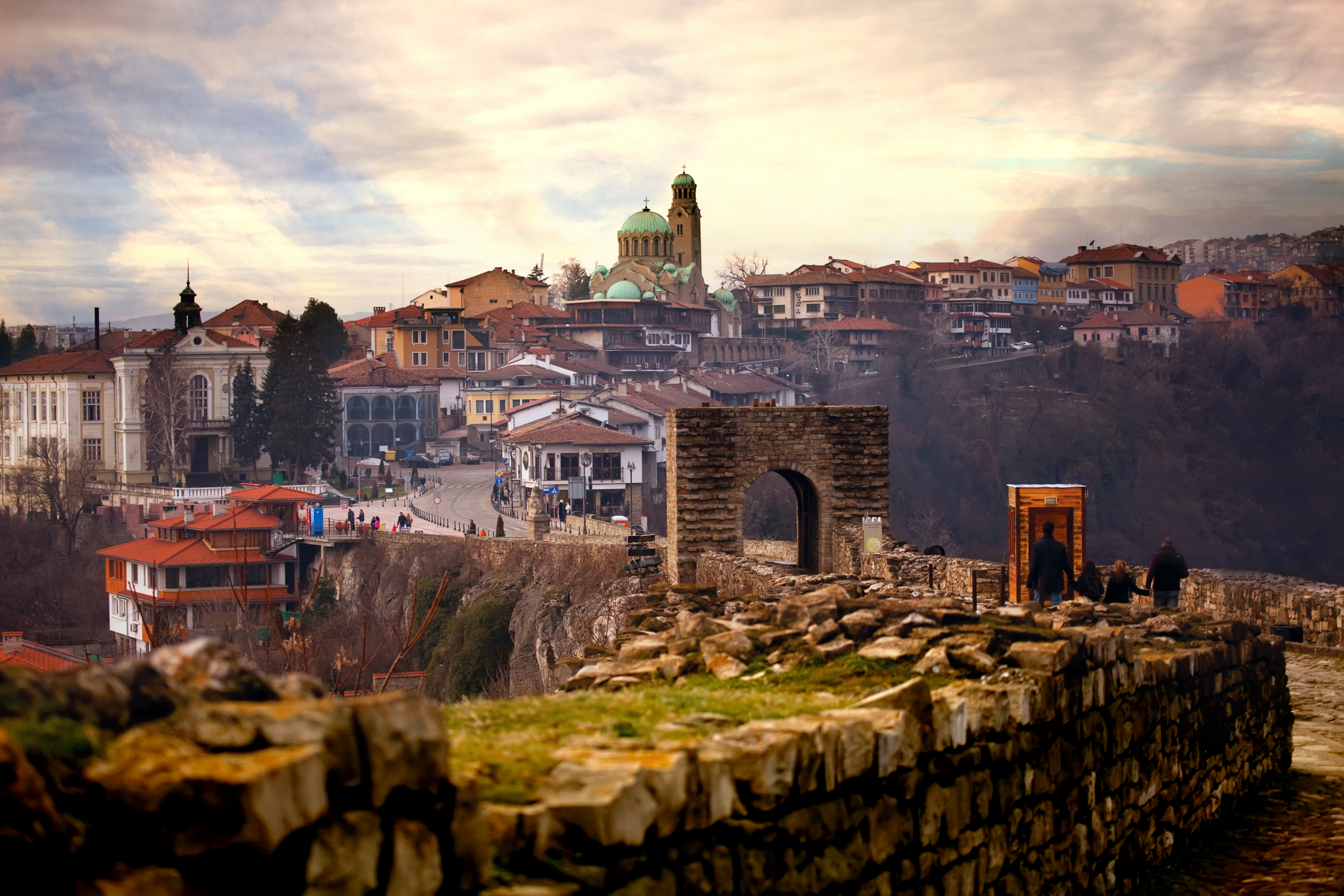
• Economic Transition - The Balkans

    Serbia, Bosnia & Herzegovina, Croatia, and Hungary

    – Sample Itinerary –

  • Academic Field(s)

    Business and Economics

  • Destinations

    Belgrade, Sarajevo, Zagreb, and Budapest

  • Duration

    14 days

  • Accommodation

    3- and 4-star hotels in Belgrade, Sarajevo, Zagreb, and Budapest

In the last decades, Balkan economies underwent drastic changes shifting from communism, war, and dictatorship towards open market economies and EU integration.

During visits to various Balkan states as well as to Hungary, students will not only understand the transition that started back in the 1990‘s, but also how these countries are dealing with current challenges and opportunities. Topics relating to peace, conflict, and reconciliation will be an integral part of the program. This is an opportunity for students to visit places where history still feels so “present”.

  • DAY 1

    • Overnight flight to Belgrade, Serbia (group flight can be booked separately)
  • DAY 2-4: BELGRADE

    • Orientation session by your on-site CEPA coordinator
    • Guided walking tour of Belgrade
    • Welcome dinner at a Serbian restaurant
    • Guest lectures on “Milošević, Authoritarianism and Democratization in Serbia” and “Kosovo and Contemporary Serb-Albanian Nationalist Conflict”
    • Guest lecture on “The Political Economy of Serbia”
    • Audio-guided tour of the Belgrade Fortress
  • DAY 5-7: SARAJEVO

    • Guest lectures on “The Bosnian Census and the Future of the Dayton Peace Agreement” and “The Divided State? Bosnia and Herzegovina: Politics, Identities, Demography and Cultures of Remembrance”
    • Guided walking tour of Sarajevo
    • Guided tour of the National Museum of Bosnian Herzegovina
    • Guided tour of the Emperor’s Mosque
    • Group dinner at a Bosnian restaurant
  • DAY 8-10: ZAGREB

    • Guest lectures on “The Independence from Yugoslavia” and “Cultural Diversity, Multiple Identities & Historical Memory as Dynamic Factors in the Development of Croatian Historical Identity”
    • Guest lecture on “The 2013 EU Membership – From the Application Process until Today”
    • Guided walking tour of Zagreb
    • Admission to the Croatian History Museum
    • Group dinner at a Croatian restaurant
  • DAY 11-14: LAKE BALATON - BUDAPEST

    • Guest lectures on “Post-Communist Hungary” and “EU Membership – Current Issues”
    • Guided walking tour of Budapest
    • Guided tour of the Hungarian Parliament
    • Admission to the House of Terror
    • Farewell dinner at a Hungarian restaurant
  • What’s included in this sample itinerary:

    Academic and professional excursions with special presentations • cultural excursions and field trips with local, bilingual guides • entrance fees and reservations • accommodation in 2- and 3-star hotels (twin rooms for students; single room for the faculty) • daily breakfast • welcome and farewell dinner • local transportation by private bus as needed • public transportation passes • on-site coordinator during excursions • orientation sessions • time to study, instruct, and explore

Programs require a minimum of 12 participants.

Your custom quote will be tailored to several key factors, including:

  • travel dates
  • final group size (including faculty leaders)
  • program duration
  • specific excursions
  • your preferred accommodation and meal plans
  • other specific requirements

How to Plan with Alternatives in Mind:

As part of our commitment to sustainability and cultural respect, we invite you to make eco-conscious choices for your study abroad journey. Choosing accommodations just outside major city centers is a powerful way to preserve Europe’s heritage and in many cases, offers a more authentic cultural experience.

Together, we can develop programs that make a difference! 

Accomodation

By exploring nearby housing options instead of staying in major European cities, we can minimize our impact on overtourism. Ask us about the "second city" strategy.

Pack light

Every extra kilogram on a plane, train, or bus increases energy consumption. A "carry-on only" rule is a win for both the planet and your back.

Cultural Behaviour

Learn the "Golden Three": Learning "Hello," "Please," and "Thank you" in the local language is more than a courtesy; it signals respect for the local identity and immediately changes the dynamic of your interactions.

Travel routes

By basing a program in one location and building in day excursions, we can minimize the environmental impact.

Eat "KM 0"

Look for restaurants with the "Kilometro Zero" label (common in Italy and Spain), which guarantees ingredients are sourced locally.

Water

Refill Stations: Europe has some of the cleanest tap water in the world. Use apps like Refill to find public fountains and avoid buying plastic bottles.

Climate Action

We offset the carbon footprint of our operations and programs, and plant one native tree for each participant in a CEPA study abroad program.

Travel in the "Shoulder" Season

Visiting in March or October helps distribute income to locals year-round and prevents the "ghost town" effect that happens in tourist hubs during winter.

Interested in running a similar program or building one from scratch?

Let’s get in touch by choosing where you are in the planning process.

I have all the details

You know your exact travel dates and destinations, and are ready to request a formal proposal with quote. (at no charge or committment)

I am just starting

You have great ideas but might have questions, need further advice or want some guidance to bring everything together in an itinerary.