Beyond the Capital:

Rethinking the Study Abroad Itinerary

Everyone knows the draw of major cities like Paris, Rome, Venice, London, Barcelona — they anchor study abroad programs for a reason.

But as costs climb and crowds at the usual landmarks grow faster than ever, we are increasingly asking one question:

Does the capital city always need to be the center of the itinerary?

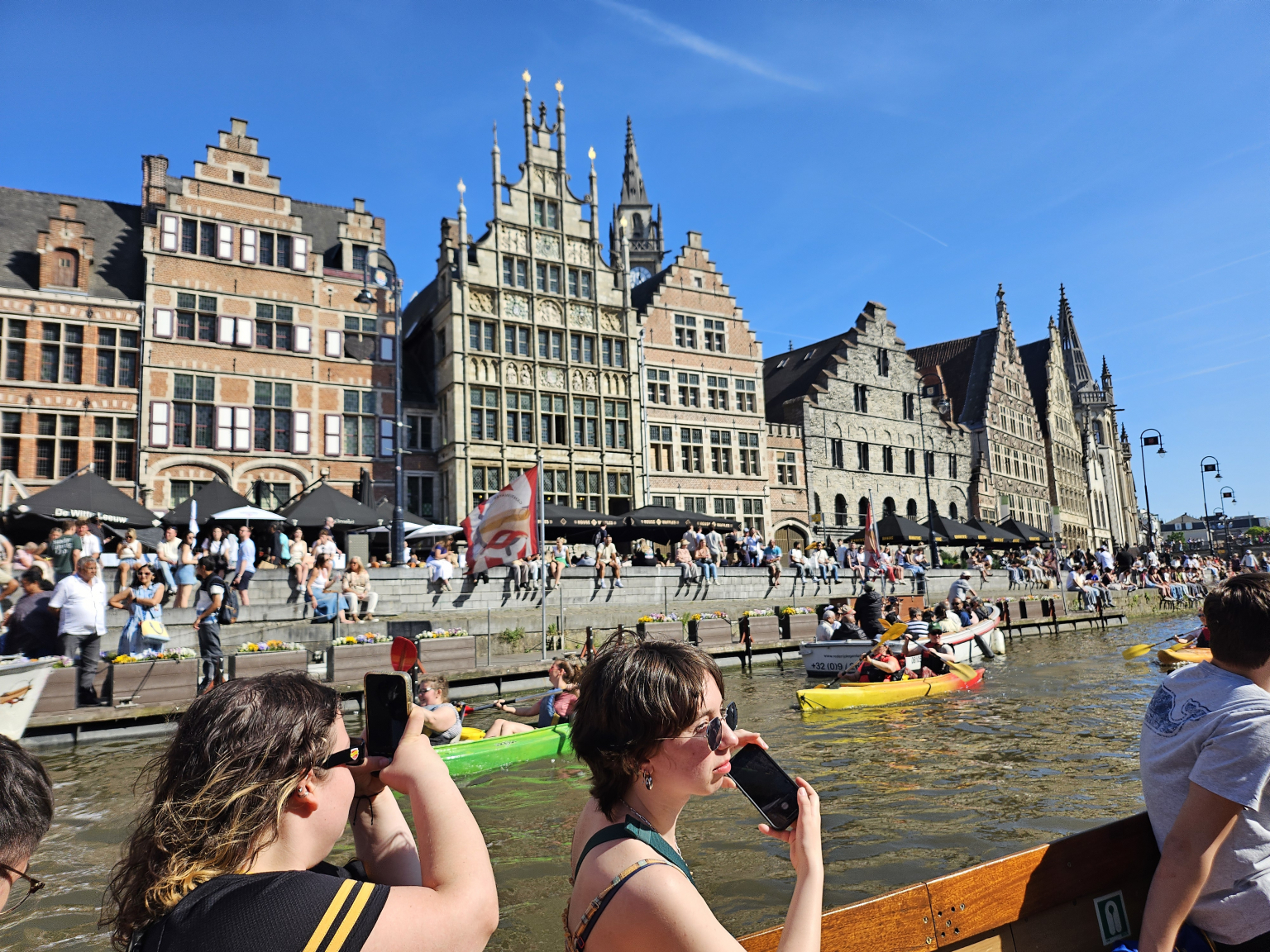
In response, study abroad programs are increasingly considering Europe’s “second cities”—such as Porto, Leipzig, Bologna, Ghent, and Valencia—as home bases. These mid-sized cities offer a more functional, authentic environment where students can actually settle in rather than just cross sights off a bucket list.

By basing a faculty-led program outside a major capital city, participants have multiple benefits.

  • Daily expenses, housing, and restaurants tend to cost less.
  • Smaller cities foster deeper cultural and language immersion.
  • Participants can interact with the locals in genuine ways, practice the language out of necessity, and gain a far more realistic, non-commercialized perspective on contemporary European life

This strategic shift doesn’t require removing major capitals entirely—they still make excellent day or weekend excursions—but repositioning the core program to a second city offers a win-win.

Faculty leaders and students will be able to experience authentic community engagement which leads to greater personal growth and study abroad with a lower environmental footprint.

How to Plan with Alternatives in Mind:

As part of our commitment to sustainability and cultural respect, we invite you to make eco-conscious choices for your study abroad journey. Choosing accommodations just outside major city centers is a powerful way to preserve Europe’s heritage and in many cases, offers a more authentic cultural experience.

Together, we can develop programs that make a difference! 

Accomodation

By exploring nearby housing options instead of staying in major European cities, we can minimize our impact on overtourism. Ask us about the "second city" strategy.

Pack light

Every extra kilogram on a plane, train, or bus increases energy consumption. A "carry-on only" rule is a win for both the planet and your back.

Cultural Behaviour

Learn the "Golden Three": Learning "Hello," "Please," and "Thank you" in the local language is more than a courtesy; it signals respect for the local identity and immediately changes the dynamic of your interactions.

Travel routes

By basing a program in one location and building in day excursions, we can minimize the environmental impact.

Eat "KM 0"

Look for restaurants with the "Kilometro Zero" label (common in Italy and Spain), which guarantees ingredients are sourced locally.

Water

Refill Stations: Europe has some of the cleanest tap water in the world. Use apps like Refill to find public fountains and avoid buying plastic bottles.

Climate Action

We offset the carbon footprint of our operations and programs, and plant one native tree for each participant in a CEPA study abroad program.

Travel in the "Shoulder" Season

Visiting in March or October helps distribute income to locals year-round and prevents the "ghost town" effect that happens in tourist hubs during winter.